

Looking Back, Planning Forward: A Smarter Approach to Your 2027 Marketing Budget
Every year, marketing leaders head into planning season trying to answer the same question:
How much should we spend, and where should we put those dollars to have the greatest impact?
Table of Contents
- Looking Back, Planning Forward: A Smarter Approach to Your 2027 Marketing Budget
- Looking Back: What Worked and What Did We Learn?
- Looking Forward: What Are We Trying to Accomplish?
- Next Up: Making the Investment Decisions That Matter
- Allocation: Not Every Slice Is Equal
- Adding, Reducing, or Removing Tactics Requires a Broader View
- AI: Creating Capacity for Greater Impact
- What If We Have Absolutely No Idea Where to Start?
- Break the Cycle of Reactive Budgeting
- Get More Insights: Download the 2026 Marketing Pulse Report
After 20+ years in marketing, we’ve seen plenty of budgeting processes start in the wrong place.
Finance establishes a number. Marketing gets said number. Then the team starts working backward to figure out what can fit within it. While that may seem like a financially responsible way to build the budget, it isn’t necessarily strategically sound.
Your marketing budget should start with the business. What are we trying to accomplish next year? Where is growth expected to come from? What’s standing in the way? What did we learn from this year’s performance? And what role does marketing need to play in moving the business forward? These answers should shape the investment, not the other way around.
When the connection back to the business goals is missing, marketing can quickly become a collection of tactics competing for a budget. Marketing leaders are left trying to prove value of individual activities instead of showing how marketing is contributing to the bigger picture.
As organizations begin planning for 2027, I’d encourage them to start by looking in two directions: back at what the data tells us about the past year and ahead at what the business needs to accomplish next year.
Looking Back: What Worked and What Did We Learn?
A lot of annual planning conversations start with tactics: What should we keep doing? What should we add? Where should we spend more?
We'd start somewhere else: What did we learn?
Before deciding where to invest in 2027, take a hard look at what actually moved the business forward this year. Not just which campaigns performed well, but where marketing created meaningful momentum.
Ask:
- Which initiatives contributed to awareness?
- Which programs supported pipeline growth?
- Which efforts strengthened customer engagement, supported sales conversations, or helped move prospects through the buying journey?
The result of asking these questions isn’t simply to create a scorecard of what worked and what didn’t. It’s to understand why. That’s where you start to uncover patterns and opportunities that can inform smarter decisions for the year ahead.
Marketing activities also rarely operate in isolation, and success often extends beyond a single metric. For example, a content strategy may support SEO, social media, sales enablement, website traffic, and lead nurturing efforts. If we judge that investment against one metric, we’re probably missing a big part of its value. That’s why I’d rather see teams focus on insights rather than scorecards.
When you understand what created momentum and why, the budgeting conversation changes. You’re no longer deciding where to spend based on assumptions or simply repeating last year’s plan. You have evidence to help determine where the greatest opportunities exist and where marketing can make the biggest contribution to the business.
Looking Forward: What Are We Trying to Accomplish?
Where historical performance provides context, growth objectives provide direction.
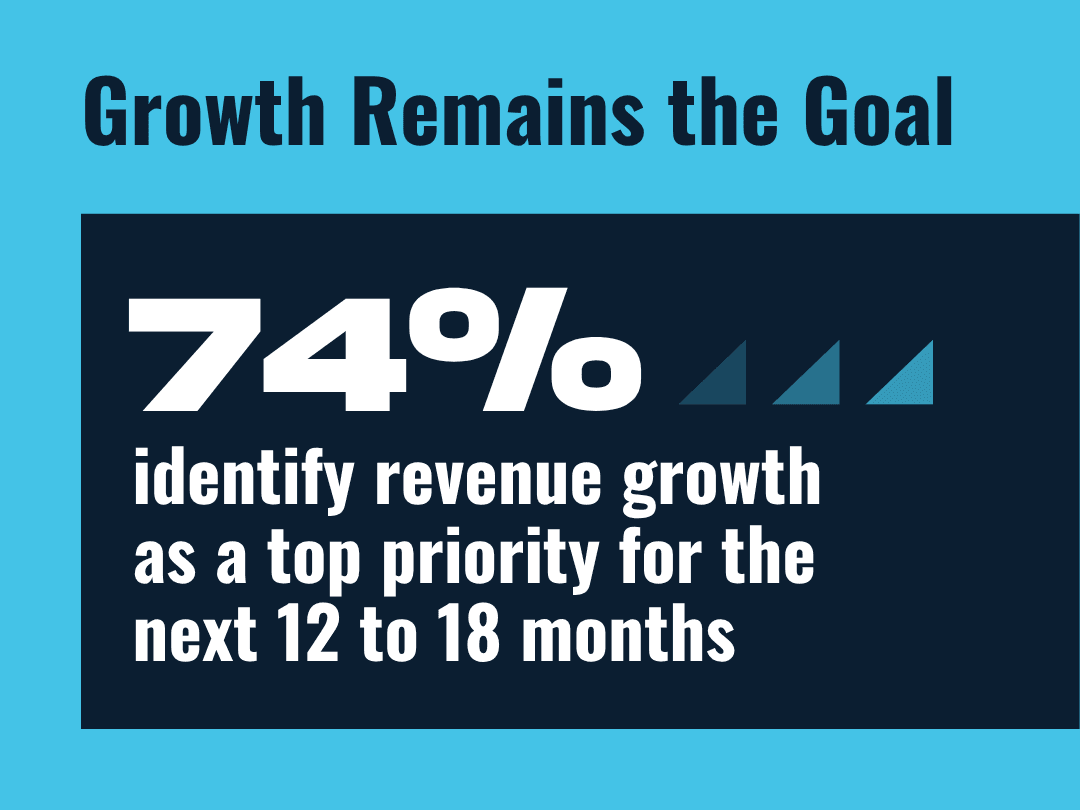
Once organizations understand what they learned from the previous year, the next step is defining what marketing needs to support in the year ahead. Budget planning becomes significantly more effective when investment decisions are connected to broader organizational goals. According to Element's 2026 Marketing Pulse Report, 74% of marketing leaders surveyed identified revenue growth as a top priority over the next 12 to 18 months.
Goals vary from organization to organization. Some businesses focus on increasing market share within established markets. Others are preparing for product launches, entering new territories, expanding service offerings, or pursuing accelerated growth initiatives. Each initiative may require a different combination of tactics, resources, and investment levels.
This is also where sales and marketing alignment becomes especially important.
When both teams share a common understanding of goals, target audiences, pipeline expectations, and success metrics, investment decisions become easier to prioritize. Marketing can focus resources where they will have the greatest impact, while sales gains stronger support throughout the customer journey. Shared objectives create alignment around outcomes, helping organizations use their marketing budgets more effectively and measure success more accurately.
Next Up: Making the Investment Decisions That Matter
Once organizations understand where they've been and where they're going, they can focus on how investments will be allocated to support their goals.
Allocation: Not Every Slice Is Equal
Every marketing channel contributes differently to business performance.
Paid media, public relations, content development, SEO, social media, website optimization, and sales enablement initiatives all serve distinct purposes within an integrated strategy. Each requires different resources, produces different outcomes, and operates on different timelines.
As a result, effective budget allocation focuses on strategic contribution rather than equal distribution. Investment decisions should reflect the role each channel plays in supporting what you want to accomplish, whether it’s awareness, engagement, lead generation, customer retention, or revenue growth. Organizations that align funding with business objectives often create stronger performance because every investment has a clearly defined purpose and expected outcome.
Adding, Reducing, or Removing Tactics Requires a Broader View
Marketing creates momentum when channels work together.
For example, a single blog can support social media content, search engine optimization efforts, email campaigns, public relations initiatives, website engagement, and sales conversations. Because those connections exist, adjustments to one investment will often influence several others. Viewing marketing as an interconnected system creates a better lens for budget decisions because teams can evaluate how resources flow across the entire customer journey (rather than focusing only on individual line items). This broader perspective often reveals opportunities to strengthen performance through integration, coordination, and alignment.
AI: Creating Capacity for Greater Impact
Artificial intelligence has become part of nearly every marketing planning conversation, and its influence continues to grow. Many leadership teams are asking whether AI should reduce marketing budgets. The thinking is understandable. If technology creates efficiencies, shouldn't spending decrease?
For marketing leaders, the most valuable budgeting question should actually center on how AI can increase the value of existing investments. AI can accelerate research, support planning, streamline workflows, assist with content ideation, and improve operational efficiency across marketing programs. These capabilities create additional capacity within teams and open the door to new opportunities.
So instead of asking, “How do we use AI to spend less?” start asking, “How do we use AI to achieve more and move things from wish list to reality?”
What If We Have Absolutely No Idea Where to Start?
If you've searched for answers to questions like "How much should I spend on marketing?" or "What percentage of revenue should be allocated to marketing?" you've probably discovered a lot of different answers. That's because there isn't a universal number. The right marketing budget depends on what your business is trying to accomplish.
That said, benchmarks can provide useful context. One commonly referenced guideline recommends allocating approximately 10% of revenue toward marketing activities. While every business has unique circumstances, this is a helpful reference point for early planning discussions.
Many factors will influence where a final budget ultimately lands. Market maturity, competitive pressures, growth objectives, and brand awareness all shape those financial decisions. Likewise, a well-established organization with strong market recognition may require a lower investment level than a company entering a new market or pursuing aggressive growth goals.
Break the Cycle of Reactive Budgeting
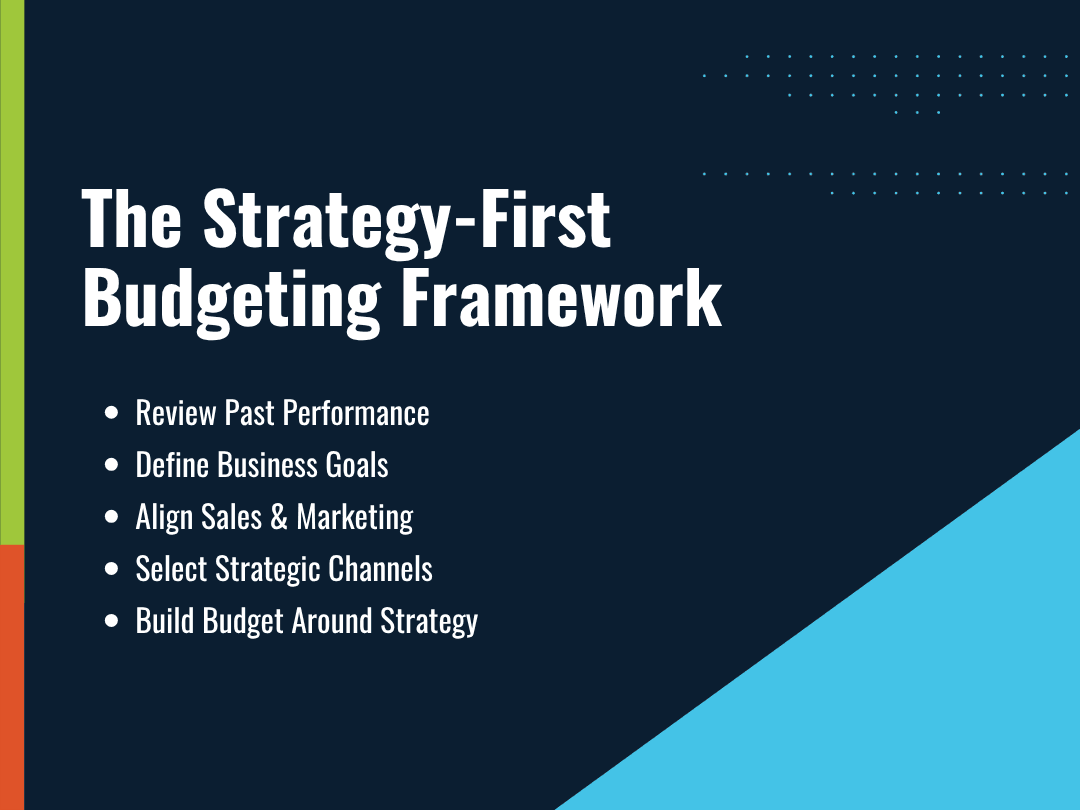
The Strategy-First Budgeting Framework
- Review Past Performance
- Define Business Goals
- Align Sales & Marketing
- Select Strategic Channels
- Build Budget Around Strategy
Organizations that follow this approach gain more than a budget. They create a roadmap that connects investments to outcomes and provides a stronger foundation for measurement and optimization throughout the year. It sets the stage for a reliable cycle of continuous improvement.
Get More Insights: Download the 2026 Marketing Pulse Report
Want to see what priorities, challenges, and opportunities are shaping marketing planning conversations for the year ahead?
Download Element's 2026 Marketing Pulse Report to explore the trends influencing marketing leaders as they prepare for 2027 and beyond.